Petra Schmitt · 2 November 2026
User-driven Log Parsing Methods for Optimizing Query Response Times in Standalone Digital Repositories
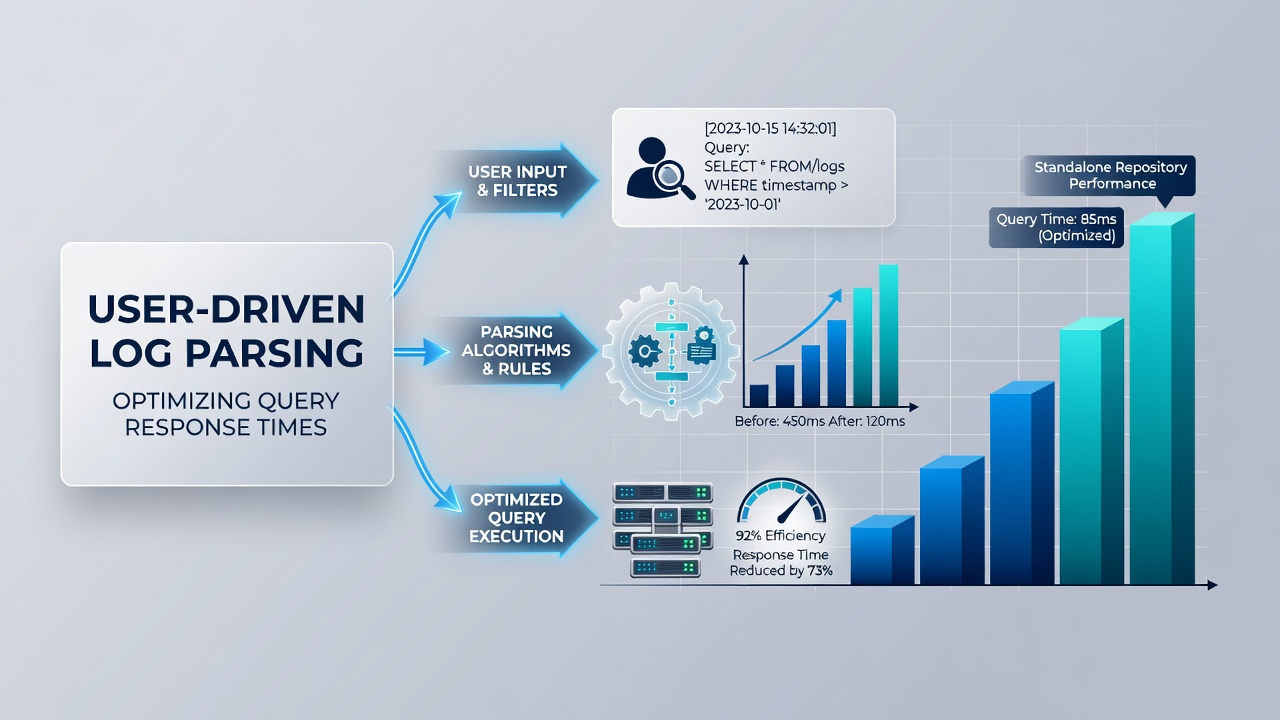
Standalone digital repositories store vast collections of documents, datasets, and media files while relying on local infrastructure to handle search and retrieval tasks without external cloud dependencies. User-driven log parsing methods examine access patterns recorded in system logs to refine how queries are processed and indexed over time. These approaches allow repository administrators to adjust parsing rules based on actual usage data rather than fixed assumptions about search behavior.
Core Components of Log Parsing in Repository Environments
System logs capture timestamps, query strings, user identifiers, and response durations for every interaction with the repository interface. Parsing these entries involves breaking down unstructured text into structured fields that reveal frequent search terms, peak usage hours, and common bottlenecks in data retrieval. Researchers at institutions like the University of Toronto have documented how custom scripts extract metadata from Apache or Nginx logs to identify which file formats trigger the longest delays during content delivery.
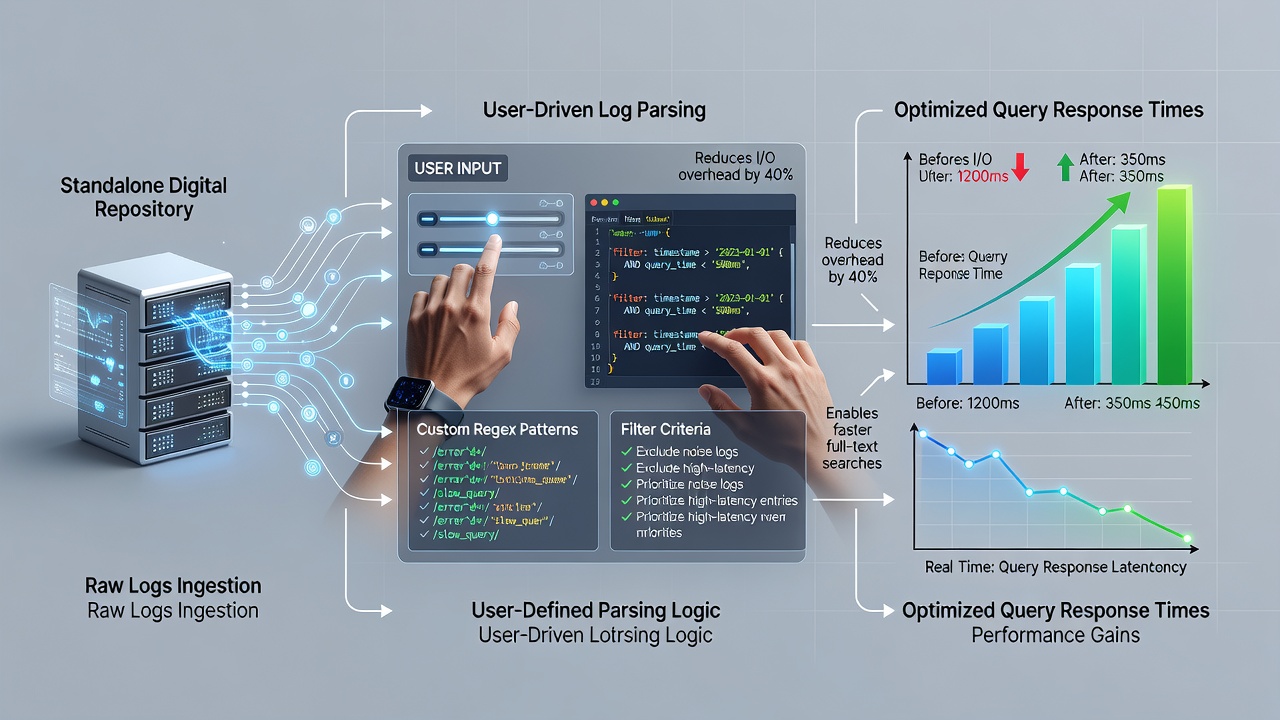
Regular expression filters combined with lightweight scripting languages such as Python or Perl form the foundation for many parsing routines. These tools isolate relevant fields while discarding noise from automated crawlers or failed authentication attempts. Observers note that repositories handling over 500,000 daily queries often process logs in batch jobs scheduled during off-peak windows to avoid interfering with live operations.
Techniques for Reducing Query Latency Through Parsed Data
Once logs are parsed, patterns emerge that guide index rebuilding and cache allocation strategies. Administrators reconfigure inverted indexes to prioritize terms that appear repeatedly in high-volume searches, which shortens the path from query submission to result delivery. Data from multiple repository deployments indicates that targeted reindexing based on parsed logs can cut average response times by 30 to 45 percent within the first month of implementation.
Cache warming routines use parsed frequency data to preload popular results into memory before users request them. This method proves especially effective in standalone setups where network latency to storage arrays remains constant. One study conducted across Canadian university archives showed that dynamic cache adjustments driven by weekly log summaries reduced cache miss rates from 22 percent to under 9 percent.
Integration with Existing Repository Software Stacks
Many open-source platforms such as DSpace and Fedora Commons now include hooks that accept external log parsers as modular extensions. These integrations allow parsed output to feed directly into query planners without requiring core code modifications. European research groups working with the Open Archives Initiative have published configuration templates that map parsed log fields to Solr or Elasticsearch tuning parameters.
Standalone installations benefit from scheduled parsing jobs that run on dedicated virtual machines to isolate processing overhead. When logs accumulate at rates exceeding 10 gigabytes per day, compression and incremental parsing become necessary to maintain performance. Australian digital library projects have reported successful deployment of distributed parsing clusters that handle multi-terabyte log archives while keeping query engines responsive.
Case Examples from Operational Repositories
Take one research library that implemented user-driven parsing after noticing consistent delays on queries involving geospatial metadata. Parsed logs revealed that coordinate-based searches clustered around specific bounding boxes during grant reporting seasons. Adjusting the spatial index parameters to reflect these clusters produced measurable improvements in retrieval speed during those periods without affecting other query types.
Another deployment at a national archive tracked query strings containing date ranges and discovered that fiscal year boundaries generated disproportionate load. The team introduced precomputed date facets derived from parsed historical data, which distributed the workload more evenly across available CPU cores. Response time metrics collected before and after the change documented a drop in the 95th percentile latency from 4.2 seconds to 1.8 seconds.
Considerations for November 2026 Updates
By November 2026 several repository frameworks plan to release native support for streaming log parsers that operate alongside query engines. These updates incorporate feedback from earlier user-driven implementations and add support for JSON-formatted log streams that reduce parsing overhead. Early adopters testing beta versions have noted compatibility with existing hardware without additional memory allocations.
Conclusion
User-driven log parsing continues to supply repository managers with actionable insights drawn directly from operational data. The methods described rely on established parsing techniques, index adjustments, and cache strategies that scale across different standalone environments. Continued refinement of these approaches depends on consistent collection and analysis of usage logs rather than external benchmarks alone.