Sage Butler · 7 September 2026
Unlocking Referral Network Dynamics for Standalone Digital Platforms Over Extended Periods
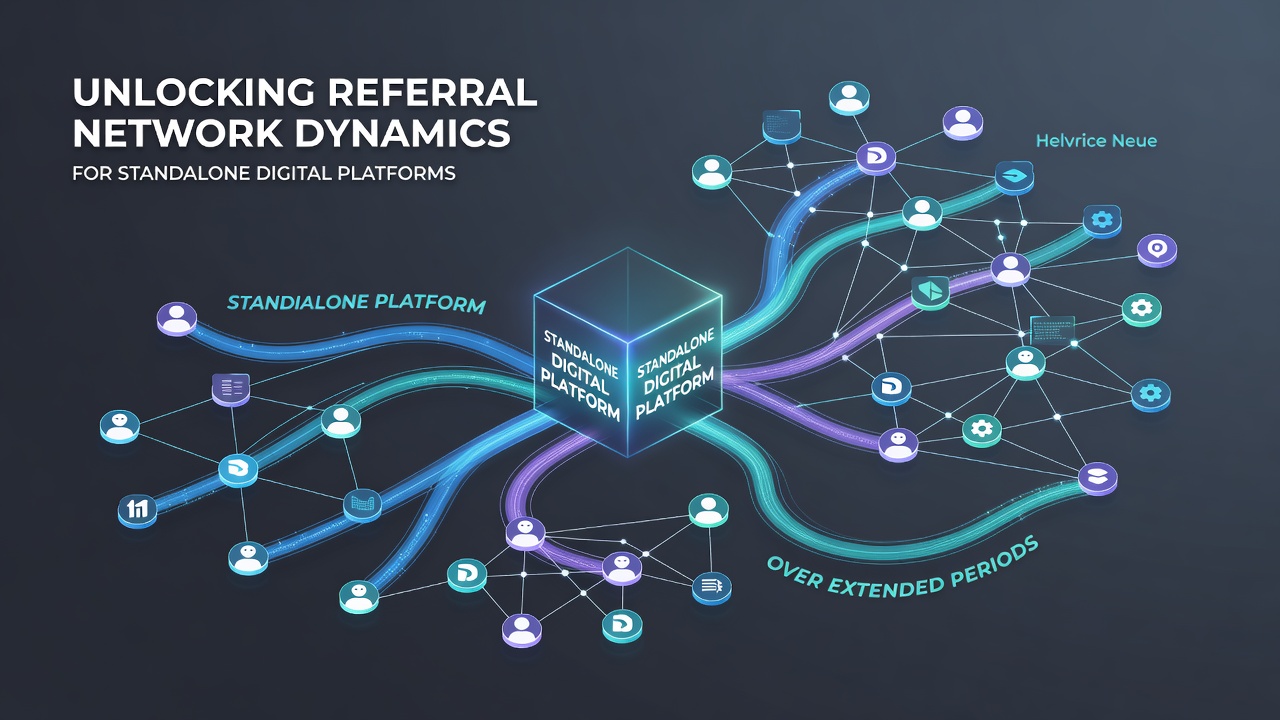
Referral networks operate as interconnected systems where users invite others to join standalone digital platforms, and these connections accumulate influence across months and years rather than delivering instant spikes. Standalone platforms, those operating outside major corporate ecosystems, rely on such networks to build user bases while managing retention challenges that compound over extended timelines. Data from longitudinal studies shows that referral-driven acquisition often accounts for 25 to 40 percent of new sign-ups on independent sites after the first two years of operation, according to reports compiled by the Australian Digital Economy Agency.
Core Mechanisms Behind Referral Growth
Referral dynamics begin with an initial trigger such as an incentive or shared utility, then expand through repeated cycles of invitation and engagement. Researchers tracking platform activity note that successful networks maintain a balance between acquisition speed and quality, where early adopters who bring in similar peers tend to sustain higher activity levels over five-year spans. Those who've examined traffic logs find that platforms incorporating seamless sharing tools experience steadier compounding effects, as each new user adds potential pathways that multiply without requiring constant external marketing spend.
Network density increases gradually because relationships form around specific platform features rather than broad appeals. Observers point out that standalone tools focused on niche collaboration or content creation see referral clusters emerge around shared projects, leading to tighter groups that persist longer than diffuse promotional campaigns. Evidence collected through user behavior analytics indicates these clusters contribute to lower churn rates after the 18-month mark, since participants develop mutual dependencies within the platform environment.
Challenges That Emerge Over Multiple Years
Extended operation reveals saturation points where existing users exhaust their immediate contact pools, forcing platforms to adapt referral mechanics. Studies conducted across independent software services demonstrate that networks can plateau unless new features refresh the invitation value, such as collaborative workspaces or data-sharing protocols that re-engage dormant connections. In September 2026, several European digital innovation reports highlighted how platforms adjusting their referral algorithms to prioritize quality over quantity maintained steadier growth trajectories compared with those relying on volume-based incentives alone.
Another factor involves shifting user expectations around privacy and data use, which influences willingness to extend invitations. Government analyses from Canadian digital policy offices show that platforms transparent about referral data handling retain higher ongoing participation rates, while those facing trust erosion see network expansion slow after three years. External competition also plays a role, because users migrate toward platforms offering superior integration with emerging tools, thereby redirecting referral flows away from earlier leaders.
Measurement Approaches and Data Patterns
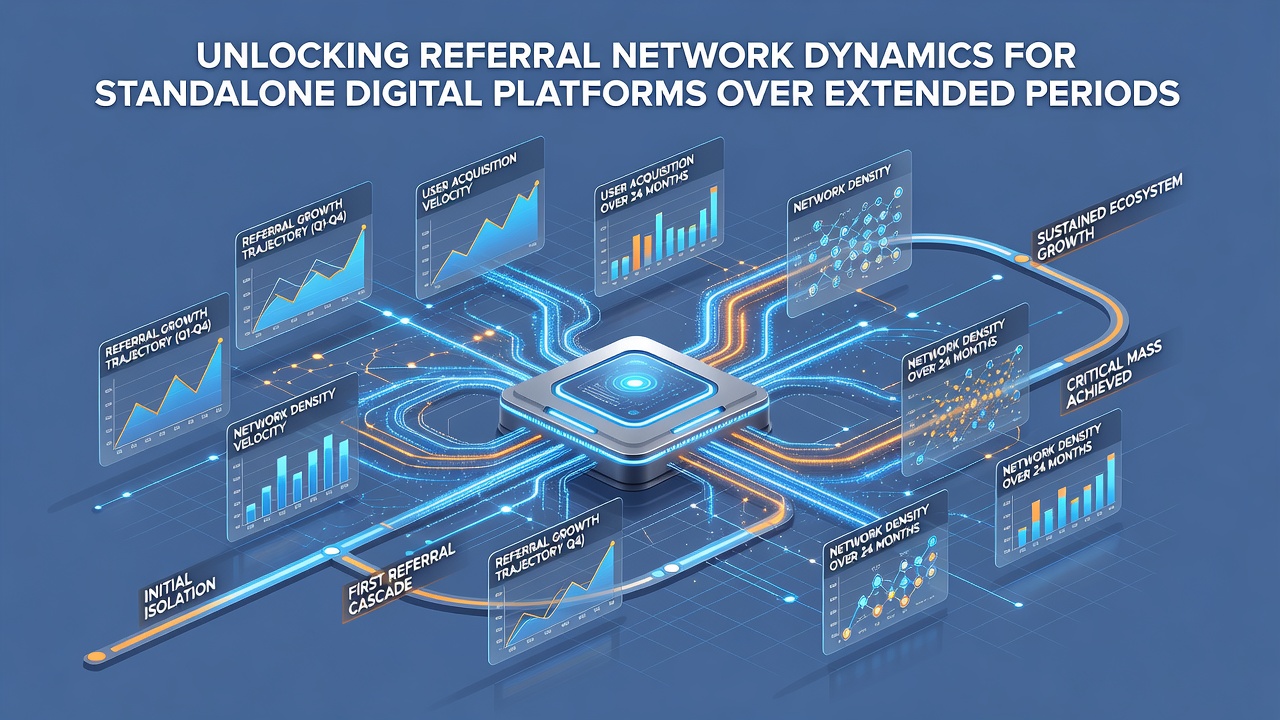
Accurate assessment requires tracking metrics beyond simple sign-up counts, including lifetime value of referred users and the depth of secondary referrals they generate. Academic research from institutions such as the University of Melbourne's digital economy unit reveals that referred cohorts often exhibit 15 to 30 percent higher engagement persistence over four-year observation windows when compared with paid acquisition channels. These patterns hold across sectors ranging from productivity applications to creative marketplaces, provided the platform maintains consistent feature updates that reinforce the original referral motivation.
Longitudinal datasets further indicate seasonal variations in network activity, with peaks coinciding with professional or academic cycles that prompt users to expand their circles. Platforms that align referral prompts with these natural rhythms record more sustained momentum, whereas generic campaigns produce diminishing returns after initial bursts. Figures compiled by international trade groups focused on software interoperability confirm that cross-platform referral compatibility can extend network lifespan by enabling users to bring connections from adjacent services without friction.
Adaptation Strategies Observed in Practice
Successful standalone platforms introduce layered referral structures that evolve with user maturity, moving from simple one-click invites to tiered programs rewarding ongoing collaboration. One documented instance involves a project management tool that shifted emphasis toward team-based referrals, resulting in denser sub-networks that supported platform stability through market fluctuations. Such adjustments demonstrate how initial mechanics require refinement to counteract entropy that builds in any referral system left static.
Integration with analytics dashboards allows operators to identify high-performing referral pathways and reinforce them selectively. Data indicates that platforms investing in these monitoring capabilities achieve more predictable scaling, because they allocate resources toward proven connection types rather than broad experimentation. Regulatory frameworks in various jurisdictions encourage this measured approach by requiring clear disclosure of incentive structures, which in turn supports long-term user confidence.
Conclusion
Referral network dynamics for standalone digital platforms unfold across extended periods through accumulating connections, periodic adaptations, and careful measurement of engagement depth. Research continues to document how these systems deliver compounding benefits when maintained with attention to user motivations and external conditions. Platforms that align their strategies with observed patterns position themselves for enduring viability in competitive digital landscapes.