Petra Schmitt · 21 September 2026
Shifts in Content Moderation Approaches Within Self-Contained Online Ecosystems
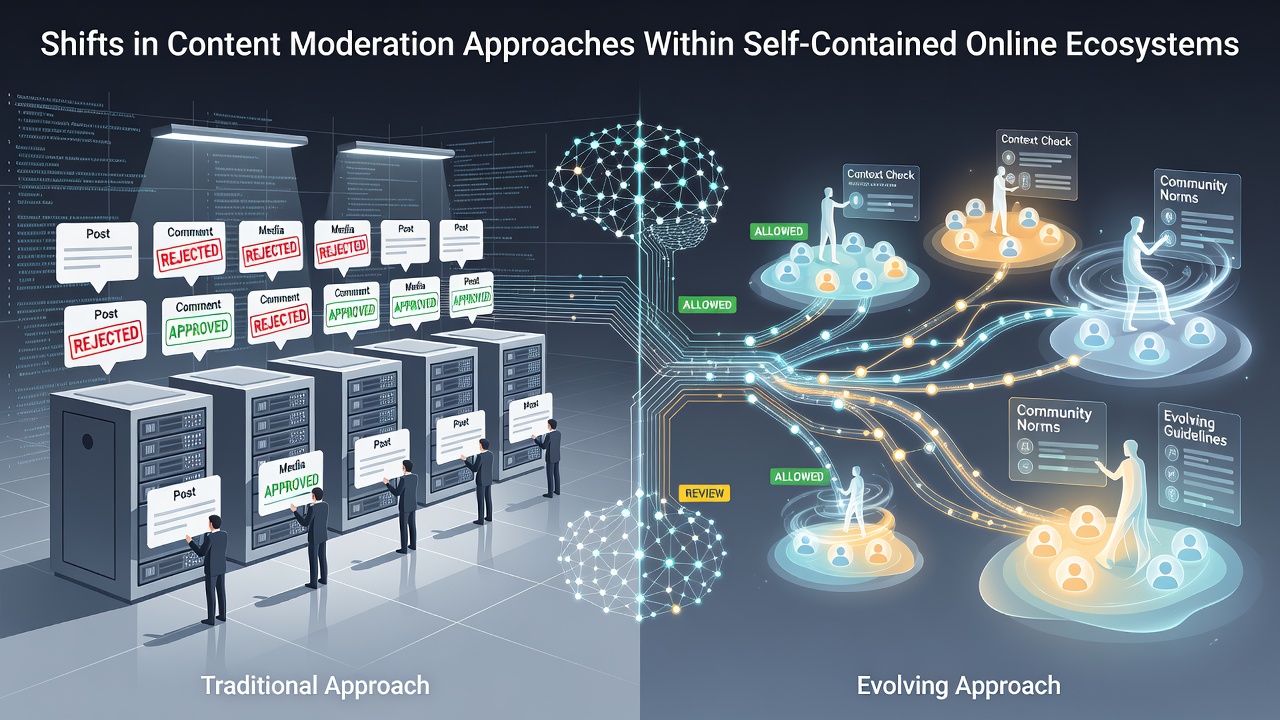
Self-contained online ecosystems operate as closed digital environments where users interact through dedicated apps, forums, and networks that limit external access, and content moderation within these spaces has evolved considerably over the past decade. Researchers tracking these platforms note that early approaches relied heavily on manual review teams and basic keyword filters, whereas later developments incorporated automated systems and user-driven reporting mechanisms. According to data compiled by the European Commission, the number of reported moderation incidents across major platforms increased by 42 percent between 2020 and 2025, prompting many operators to reassess their internal policies and tooling.
Evolution of Moderation Frameworks
Initial moderation in these ecosystems centered on reactive measures, where teams addressed violations only after user complaints surfaced, yet the scale of content growth soon outpaced human capacity. Observers note that many standalone communities began integrating machine learning models to flag potential issues in real time, allowing moderators to focus on nuanced cases rather than volume alone. Those who've studied these transitions point out that self-contained platforms gained advantages here because their limited scope permitted tighter control over data flows and policy enforcement compared with open web environments.
By 2023 several ecosystems had introduced tiered review processes that combined AI pre-screening with human oversight, and this hybrid model reduced response times for high-priority reports while maintaining consistency across language variations. Figures from industry reports reveal that platforms adopting such structures saw a 30 percent drop in repeat violations within the first year of implementation.
Regulatory Influences and Timeline Shifts
Legislative changes outside the platforms themselves have also shaped moderation strategies, particularly as governments introduced requirements for transparency and accountability. In September 2026 the European Union's updated digital services guidelines are scheduled to take effect, requiring self-contained ecosystems with user bases above a certain threshold to publish detailed moderation metrics quarterly. Similar expectations have surfaced in other regions, including reports from the Australian eSafety Commissioner that emphasize proactive detection of harmful material in closed networks.
Operators in these ecosystems responded by developing internal dashboards that track moderation outcomes across categories such as misinformation, harassment, and intellectual property disputes. Data indicates that ecosystems which aligned their reporting structures with these emerging standards experienced smoother regulatory interactions and fewer enforcement actions.
Technological Adaptations in Practice
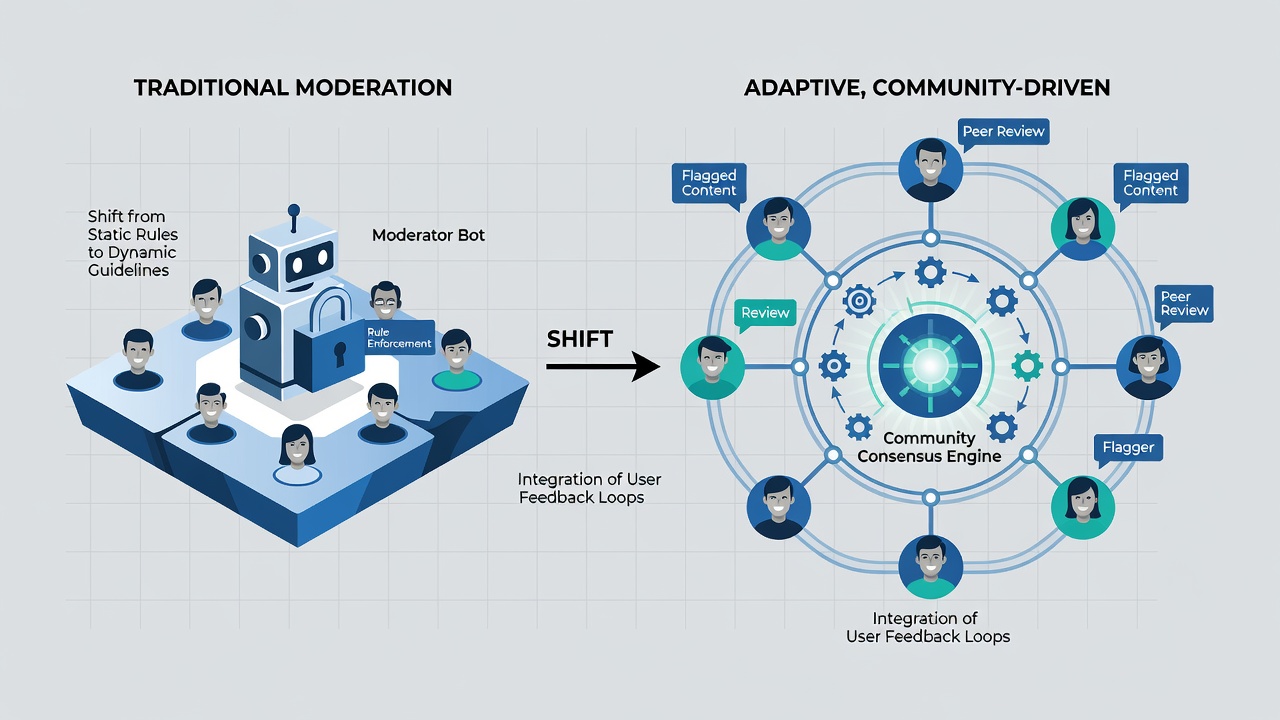
Automation tools now handle initial triage in most mature ecosystems, scanning text, images, and video uploads against established policy databases before any human review occurs. Take one mid-sized community network that integrated real-time translation capabilities into its moderation pipeline; this allowed teams to address cross-language violations without relying on external contractors. Researchers discovered that such integrations improved detection rates for context-dependent content by nearly 25 percent over previous keyword-only systems.
Yet challenges remain around edge cases where cultural or contextual factors complicate automated judgments, so many platforms maintain dedicated specialist teams for appeals and complex reviews. Studies from academic institutions indicate that ecosystems investing in ongoing moderator training alongside their technical upgrades achieved higher user retention rates, as participants reported greater trust in the fairness of decisions.
Community Involvement and Feedback Loops
User participation has become another key element in modern moderation approaches, with many self-contained ecosystems deploying reputation-based systems that elevate trusted members to junior moderator roles. This distributed model reduces the burden on central teams while fostering a sense of shared responsibility among participants. Evidence suggests that platforms experimenting with these structures saw measurable declines in toxic interactions over successive quarters.
Feedback mechanisms also evolved, allowing users to submit context explanations alongside reports rather than simple flags, which in turn helped refine algorithmic accuracy. Those monitoring these developments note that the closed nature of the ecosystems facilitated quicker iteration on these tools because changes could be tested within bounded user groups before wider rollout.
Conclusion
Shifts in content moderation within self-contained online ecosystems reflect a broader movement toward integrated, transparent, and technologically supported systems that balance scale with precision. Regulatory milestones such as the September 2026 European guidelines continue to influence operational choices, while ongoing refinements in automation and community participation shape how these platforms maintain order. Observers continue to track how these adaptations perform across different regions and user demographics as the ecosystems mature.